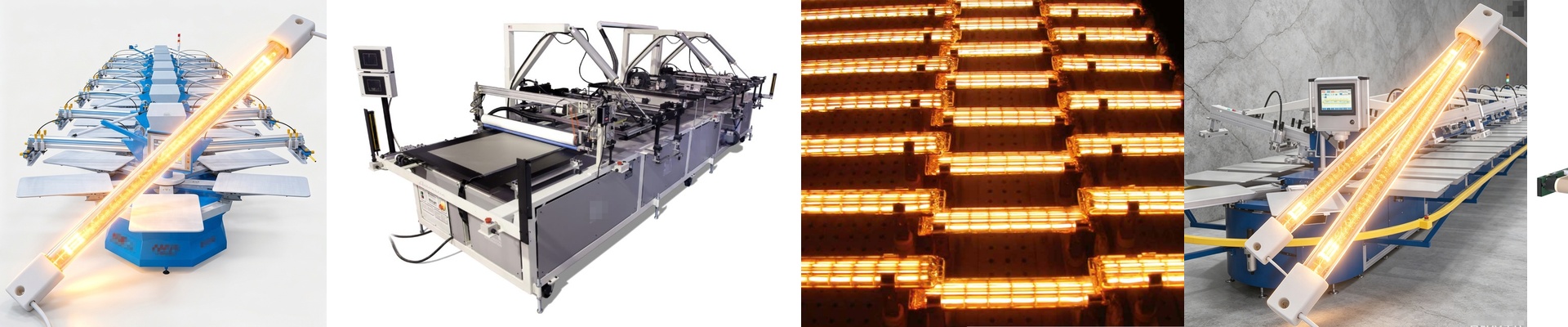
Let’s Talk About Infrared Flash Dryers
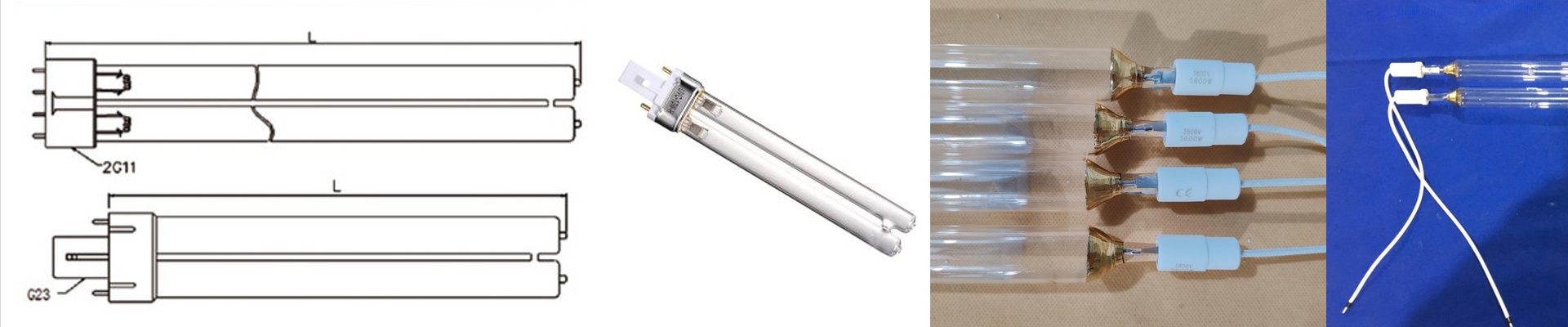
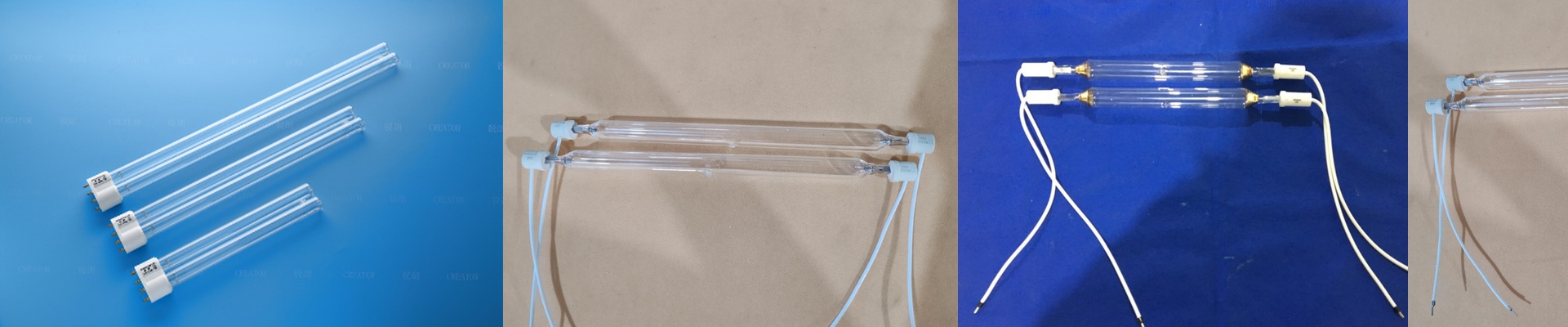
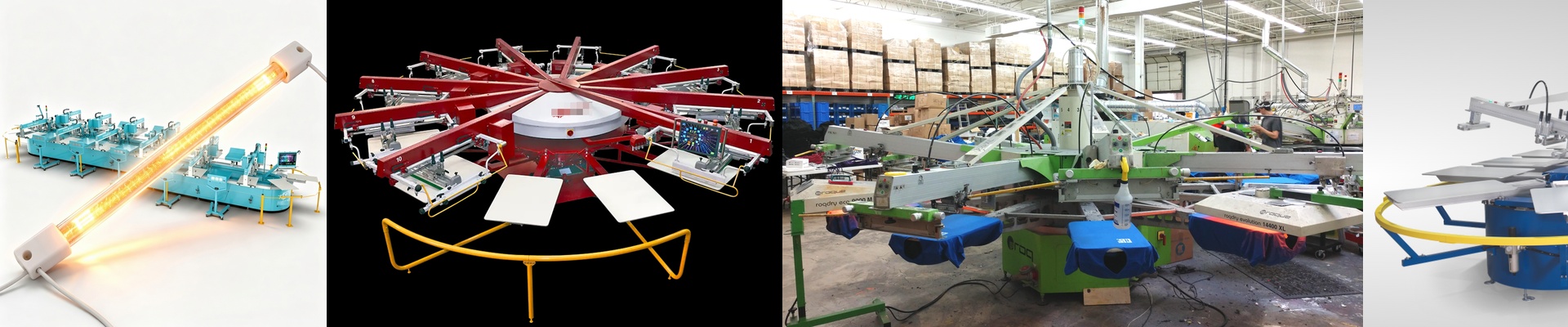
If you’re getting into textile printing, you know the drill: you’ve got a great design, but you need that ink to set now. That’s where flash dryers come in. They use shortwave infrared (IR) radiation to bake your pigments into the fabric in a matter of seconds. The real headache for most people? Trying to find a lamp that actually fits their machine. It’s a pain. That’s why we build our IR lamps to be simple, drop-in replacements for the five biggest printing brands out there. No guesswork.
Making Sure it Actually Fits
Getting a lamp to work isn’t rocket science, but it is picky. You’ve got to nail the electrical load, the physical size, and the connector. Most industrial presses run on high-voltage circuits to keep the heat consistent across wide rolls of fabric. We build our tubes to handle those global voltage swings. Why? Because nobody wants a filament to pop just because the power spiked for a second. Then there’s the length. This is where things usually go wrong. If a lamp is off by even 10mm, it won’t seat. It’s frustrating. We keep our tolerances tight so you can just swap the lamp and get back to work without having to rebuild your machine’s frame.
The Nitty-Gritty on Heat
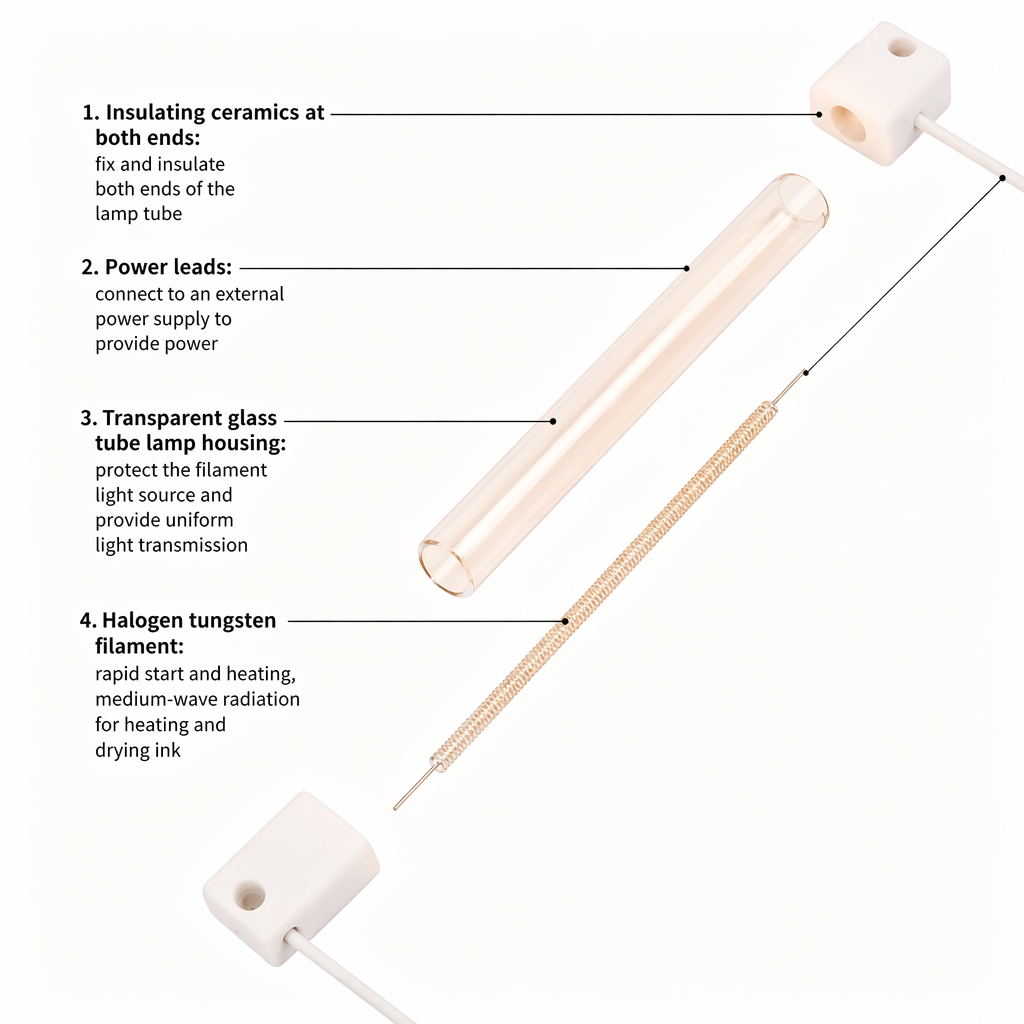
We use high-purity quartz glass. It’s a smart move because it lets the shortwave IR pass right through. Instead of wasting energy heating up the lamp housing, the heat goes exactly where it belongs: straight into the ink. And let’s talk about the connectors. This is usually where things break. We stick to the industry standards—R7s and Sk15 bases. They create a tight connection, which means no sparking and no fried sockets.
What to Expect on the Floor
The upside is obvious. Your cure times drop and you save a ton of space. But look, there’s a catch. These high-wattage lamps put out some serious, concentrated heat. If your vents are clogged or your airflow is weak, you might end up scorching the edges of your fabric or warping your conveyor belt. Just keep an eye on your ventilation. We build these things to survive a loud, messy factory. You plug them in, set your timer, and let the physics do the heavy lifting. No fluff. Just heat.