Making Your ROQ Press Flash Cure Actually Work for You
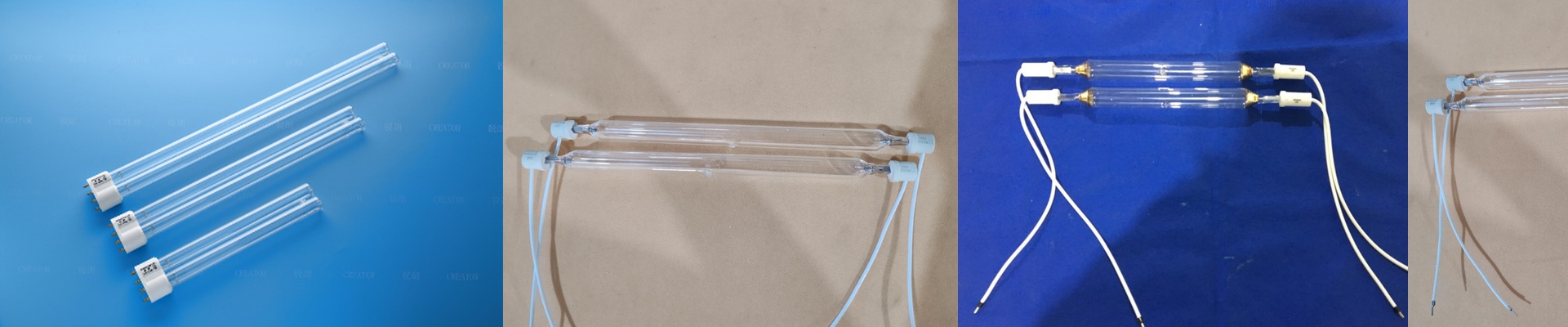
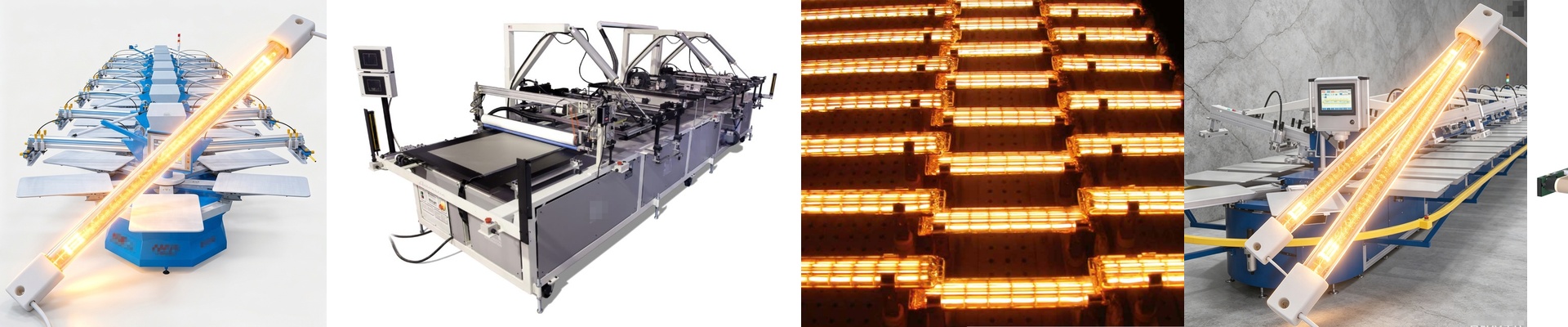
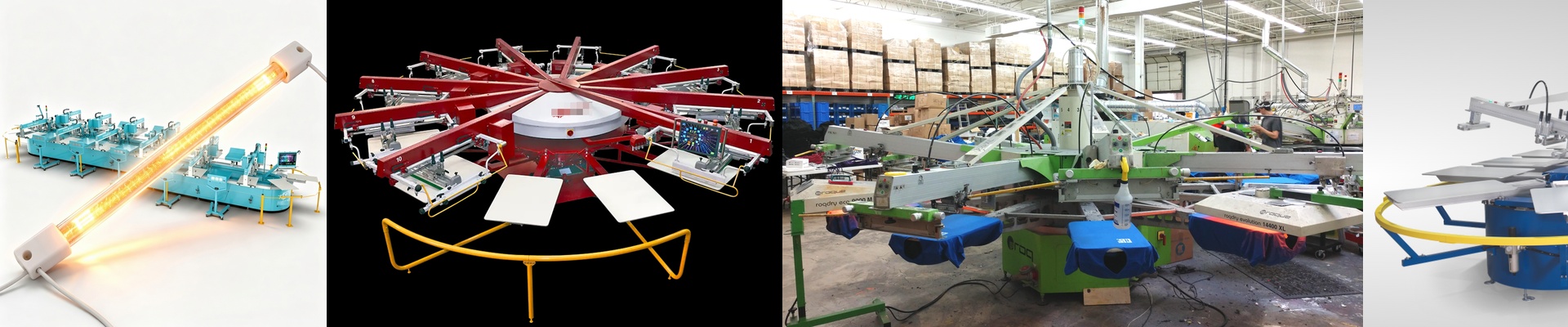
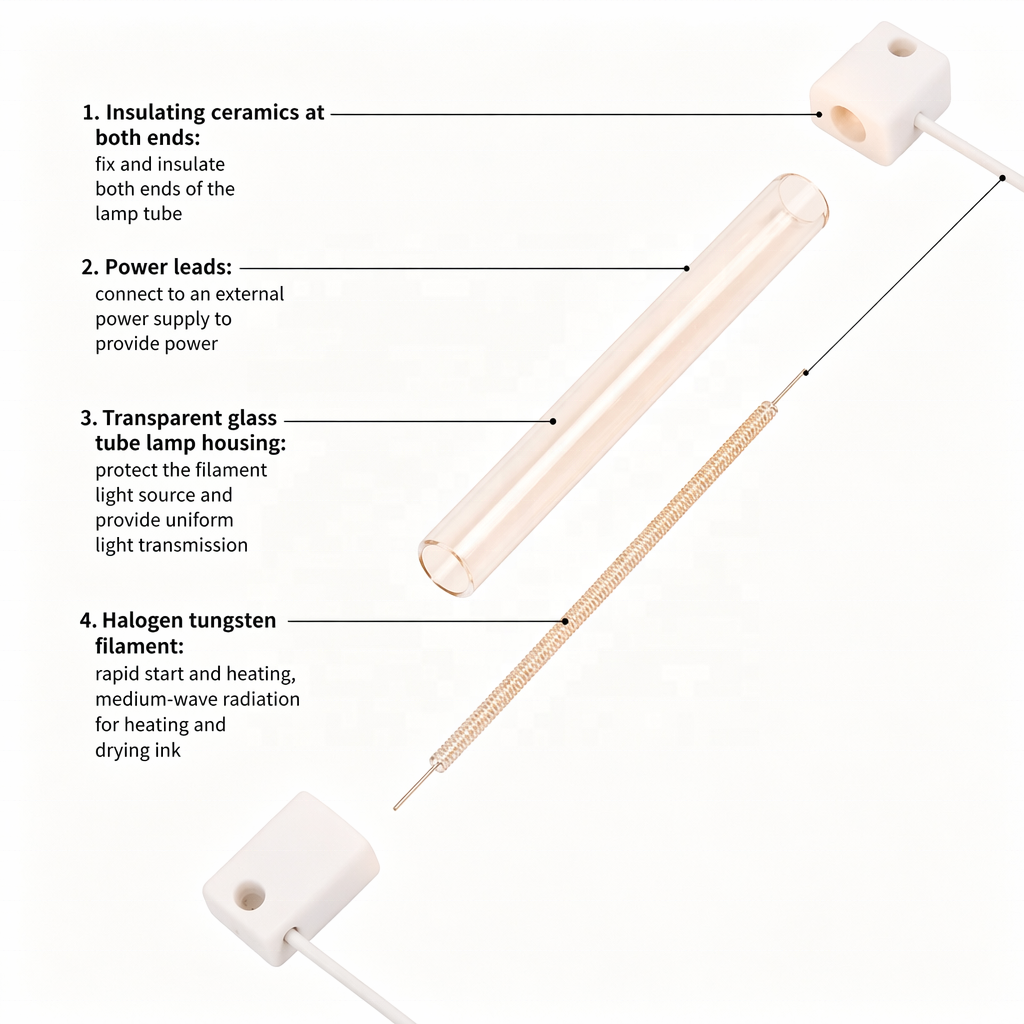
Flash curing is a bit of a balancing act. You need a massive spike of heat to set the ink instantly, but you can’t go so far that you scorch the shirt. We spent a lot of time figuring out how to make our infrared lamps fit ROQ presses (and a few other big names) without the headache. Instead of trying to lock you into some proprietary system, we just focused on the basics: the size and the power. The “Drop-In” Secret Nobody wants to spend a Saturday afternoon rewiring a machine. That’s why we match the wattage and voltage of your original gear exactly. We use short-wave quartz elements. Why? Because they hit peak temperature in milliseconds. If you’re running a high-output line, you can’t afford a lamp that lags. You need it to snap to attention every single time the press cycles. The Gear Inside We stick with high-purity quartz glass. It’s tough. It doesn’t warp when things get blistering hot, which is exactly what you need for a flash cure. As for the connectors, we use the standards you already know—like R7s or SK15. You just pop them in. No new sockets, no fancy adapters, no stress. Now, if you want to get a bit more aggressive, we have coated options. These shift the IR spectrum to focus the heat right on the ink layer, which cuts your cure time down. But a word of warning: more heat puts more pressure on your reflectors.**Keep them clean.**If they get dusty or grimy, the heat bounces right back into the tube and burns it out way faster than it should. Getting it Running on the Shop Floor Our goal was simple: no custom brackets. Our lamps are built to the same dimensions as your ROQ housing, so they just slide right in. Wire it up, set your timer, and you’re back in business. One quick tip: if you decide to bump up the wattage to squeeze more speed out of your production, just double-check your power supply and cabling. You don’t want to find out the hard way that your breakers can’t handle the extra load.