
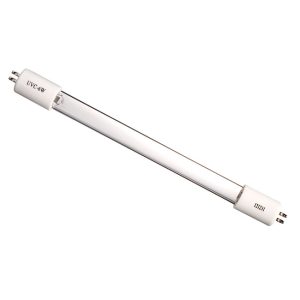
Getting Your UV Setup Right: Curing and Sterilization
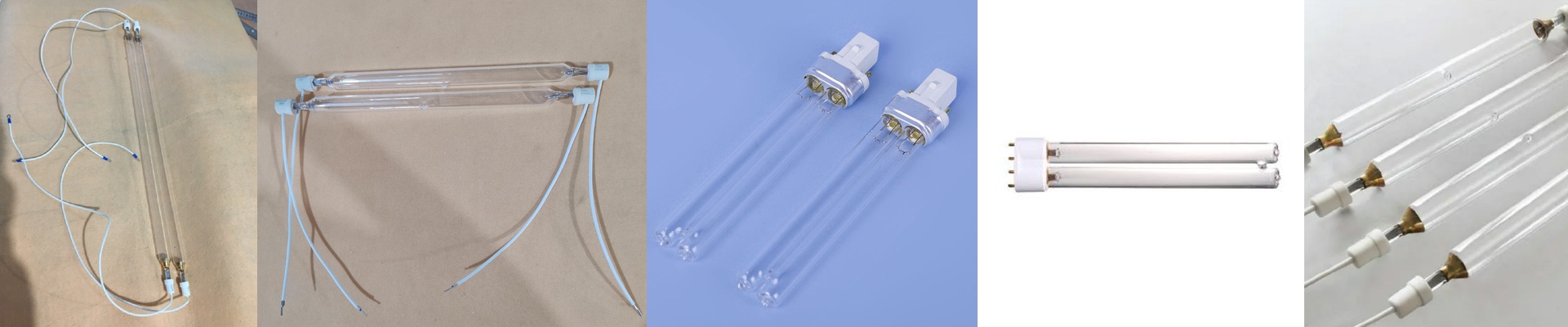
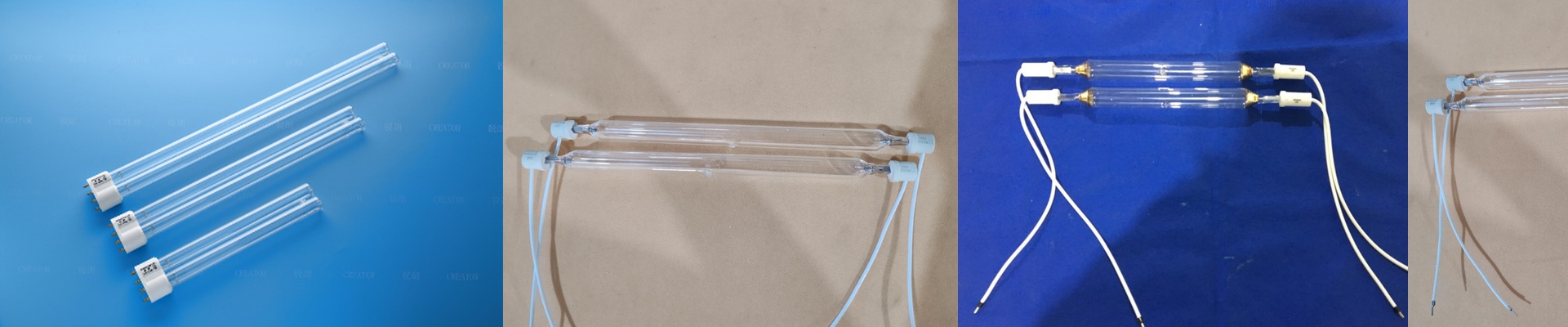
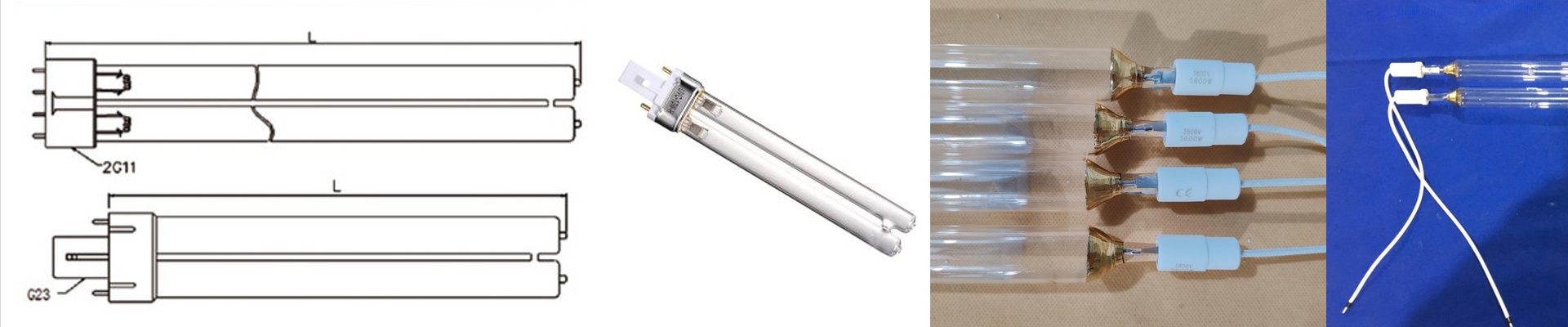
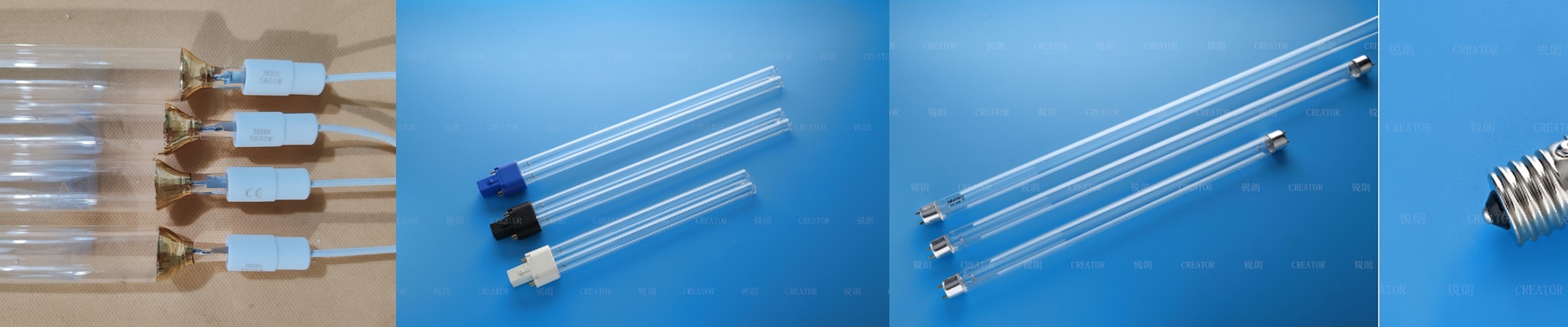
UV tech is basically all about the wavelength. Whether you’re trying to harden an adhesive or kill off bacteria, you need the light to hit a very specific spot. We design our lamps to nail those peaks, but we also make sure they actually fit into the machines you already have. No one wants to rebuild their entire factory floor just to swap a bulb. The heat struggle Here’s the thing: if you want a lamp that works fast so your products move through the line quicker, you need more power. But cramming all that wattage into a small tube creates a lot of heat. If your cooling fans or water jackets aren’t up to the task, that quartz sleeve is going to crack. It’s a nightmare. We spend a lot of time balancing the voltage and current so your lamps don’t just burn out while you’re running 24/7. Hardware that actually works We use high-purity fused quartz. Why? Because cheap glass blocks the exact UV-C rays you’re paying for. It’s like putting a curtain over a window and wondering why it’s dark inside. We also keep our connectors standard. You can just drop them in and wire them up. No redesigning the housing, no headaches. Plus, we keep these in stock. When your orders spike, you can’t afford to sit around for six weeks waiting on a custom part. You need it now. Keeping the line moving In worlds like medical packaging or e-commerce, speed is everything. You need lamps that hit full power in seconds, not minutes. We’ve focused our inventory on the specs that people actually use most. That way, you can scale up your production without having to tear open your electrical panels. Just double-check that your ballast matches the lamp’s voltage. If they’re off, you’ll get flickering or a dead filament, and that’s the last thing you need during a busy shift.