
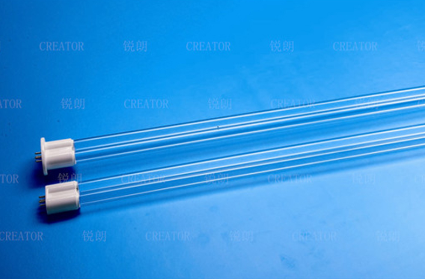
Stop Wasting Your UV Energy
Most UV systems are kind of messy. They blast energy across a wide band, which means a lot of power is wasted on wavelengths that don’t actually do anything to kill microbes. We spent our R&D time trying to fix that. We wanted to tighten the window to a 0.5% spectral energy concentration. In plain English? We wanted the photons to hit the germicidal peak with surgical precision.
The science bit (made simple)
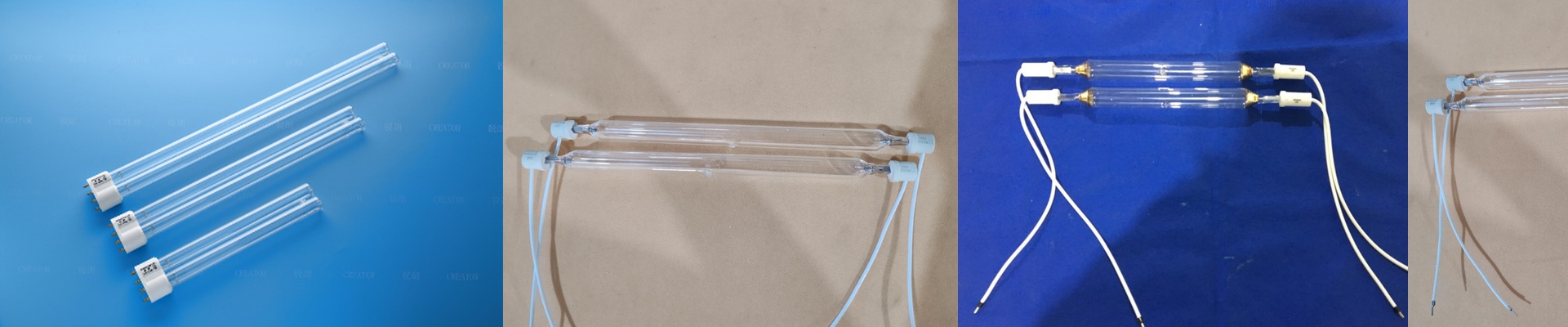
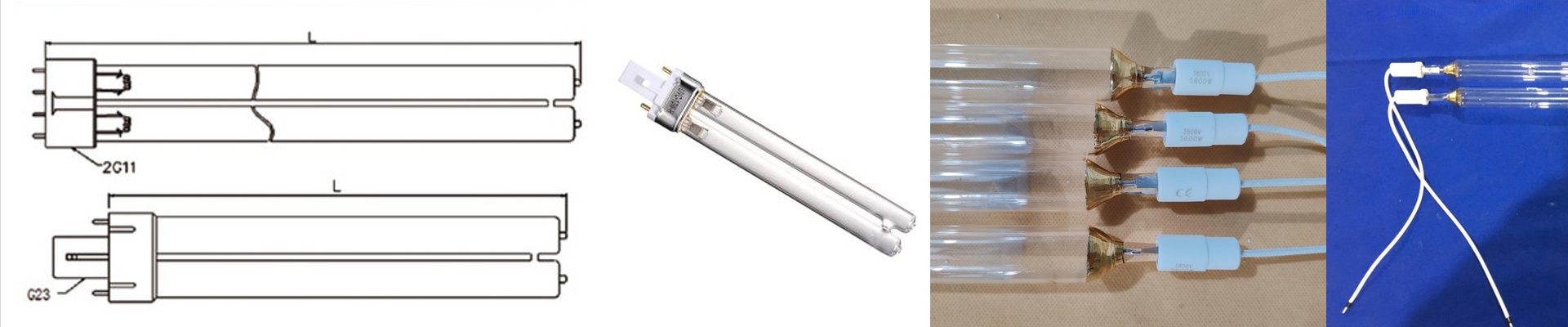
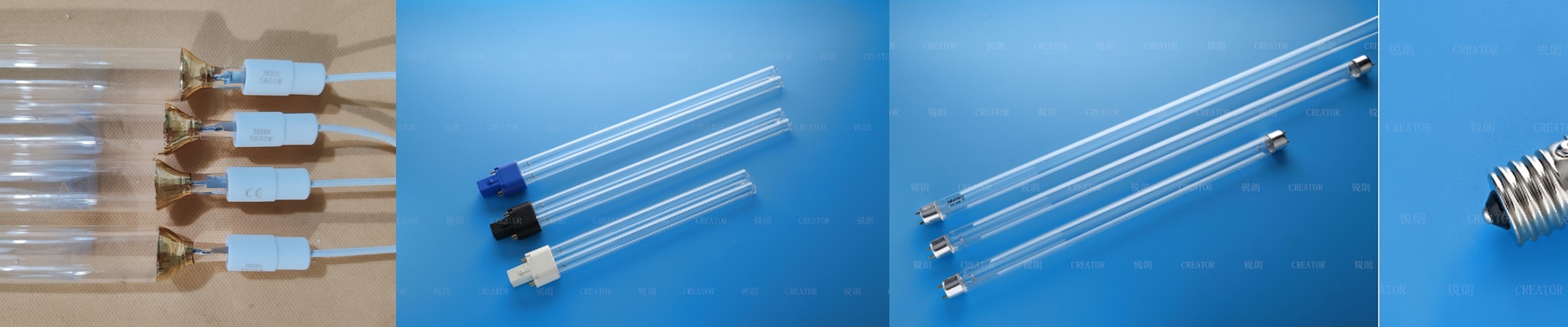
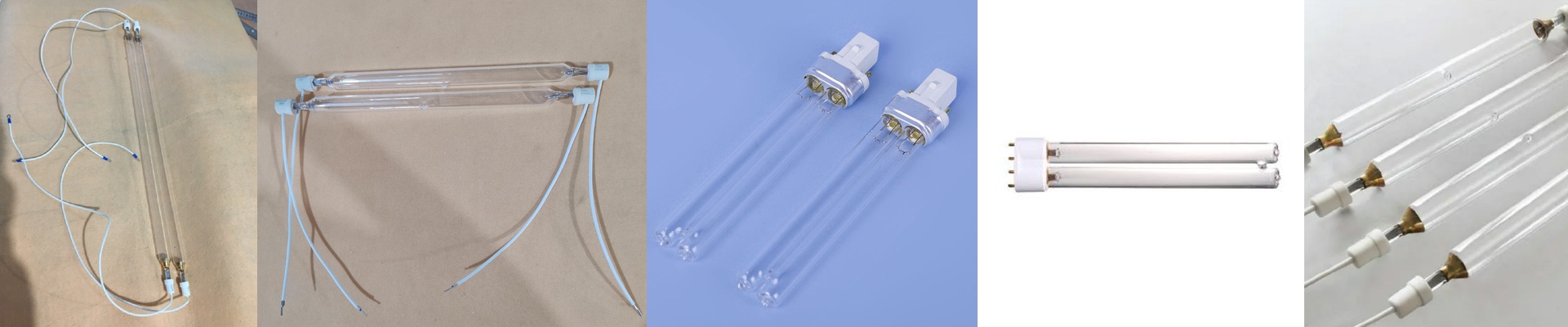
Hitting that 0.5% mark wasn’t easy. We had to totally rethink the gas mix and the quartz envelope. See, standard lamps tend to drift. To stop that, we tweaked the internal pressure and the way the electrodes are shaped to keep the plasma arc steady. This stops the spectral line from widening as the lamp heats up. When you concentrate the energy this tightly, you get way more “kill power” for every watt. You aren’t paying for infrared heat that just warms up the room. You’re paying for UVC photons that actually work.
The trade-offs
Now, pushing for this kind of precision puts some real stress on the lamp housing. High-intensity narrow-band emission creates these little hot spots on the quartz. If your cooling fans aren’t up to the task, the envelope will stress-crack. It’s a pain. We use high-purity synthetic quartz to help handle the heat, but you still need a clear airflow path. Keep the tube cool, and it stays happy.
Plugging it in
We built these to be drop-in replacements for those wider-band systems. You just wire it into your existing ballast and you’re good to go. But here’s the cool part: you’ll notice your power draw drops. Since you aren’t wasting energy on useless spectrums, there’s less load on your electrical panel. For the engineers running 24/7 sterilization lines, this is a win. Fewer lamp replacements. Lower utility bills. It all comes down to making sure the photons actually hit the mark.