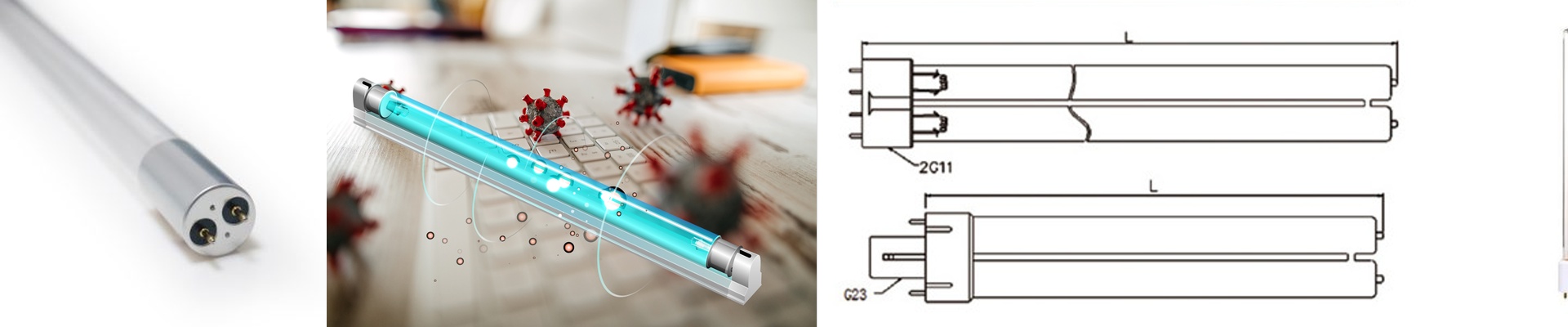

Why Precision Matters: The Truth About Narrow-Band UV Lamps
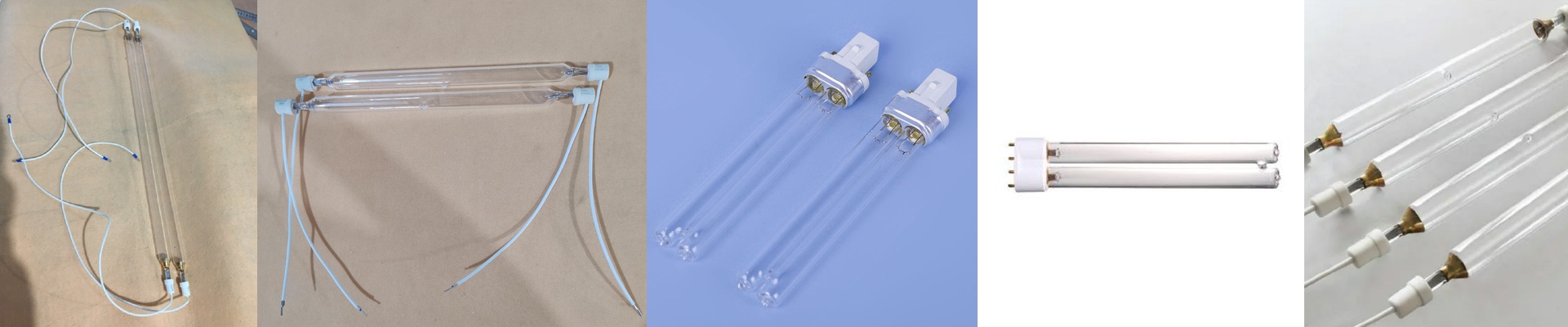
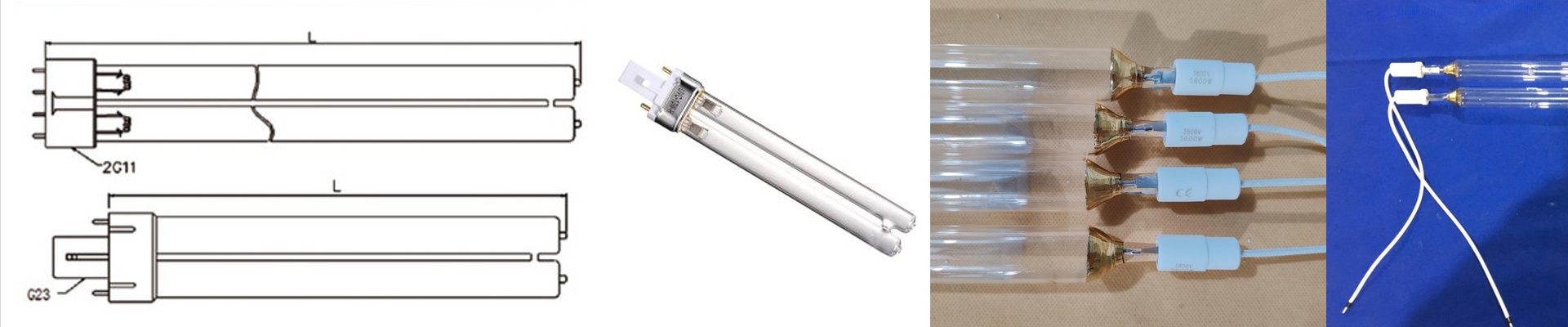
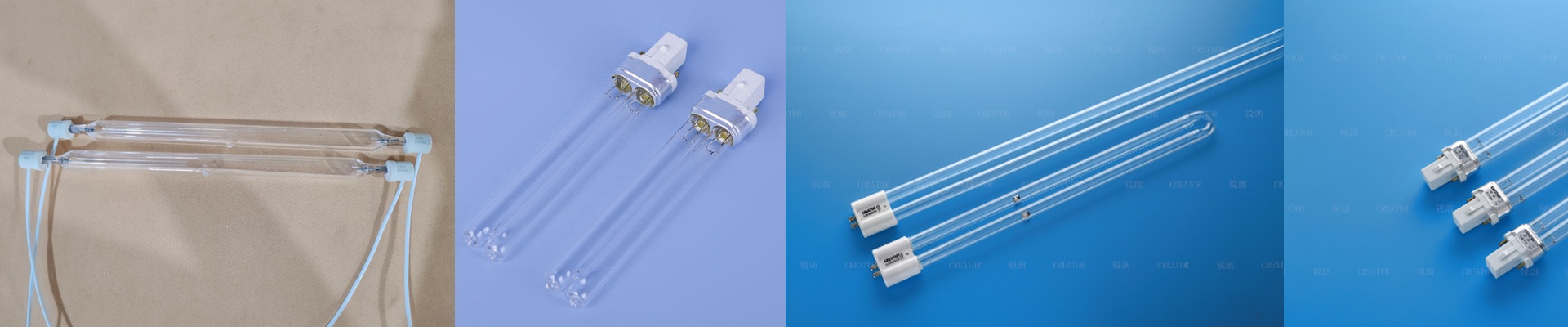
Most UV lamps you’ll find are “broad spectrum.” They throw a wide net. We don’t work that way. In our lab, we obsess over the exact wavelength. Why? Because if you’re off by even 5 nanometers, you aren’t getting a cured coating—you’re getting a sticky, ruined mess on your hands. Getting the light right To hit those specific peaks, we play around with the gas mixture and the purity of the quartz envelope. For UV-C, we aim right for 253.7nm. But here’s the catch: the glass itself can be the enemy. If the quartz isn’t high-purity synthetic, it actually blocks the light it’s supposed to let out. That doesn’t just kill your output; it burns the lamp out way faster. The heat problem It’s tempting to cram more wattage into a smaller space to get faster cure times. It works, too. But there’s a trade-off. High-intensity lamps gethot. Like, really hot. If your cooling system can’t handle that thermal load, the temperature climbs, your spectral peak shifts, and your bulb’s lifespan plummets. You need your airflow or water-cooling to be spot on, or the whole thing becomes unstable. Putting it to work We build these for the real world—gritty industrial floors, conveyor lines, or sterile clean rooms. We made the connectors secure because nobody wants to deal with arcing in the middle of a shift. If you’re swapping these into an old OEM system, they usually slide right in. Just do me a favor:**check your ballast first.**If the voltage is mismatched, you’ll fry the lamp in a matter of hours. At the end of the day, we just focus on the physics of the arc and the pressure. That way, your wavelength stays steady and doesn’t drift while you’re trying to run a production line.