Why Everyone at the 2026 Printing Expo is Talking About Modular UV Lamps
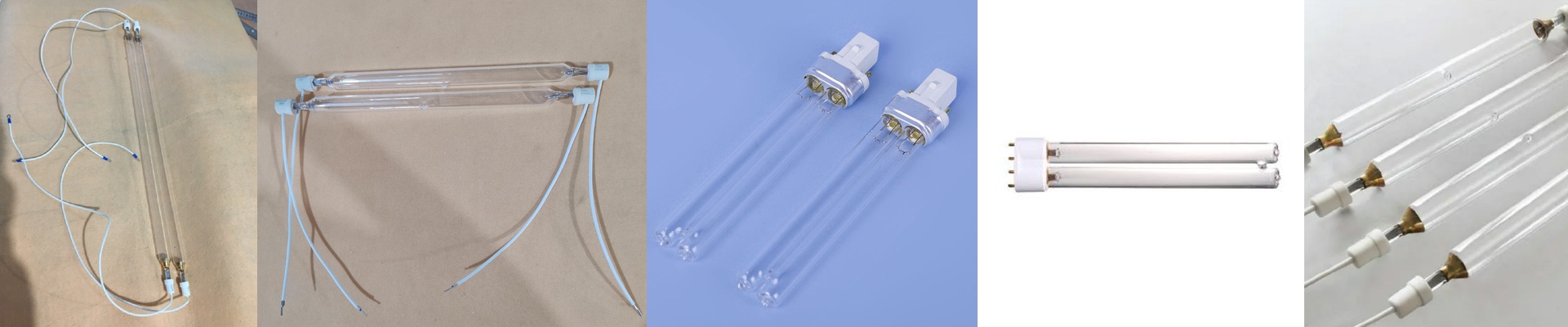
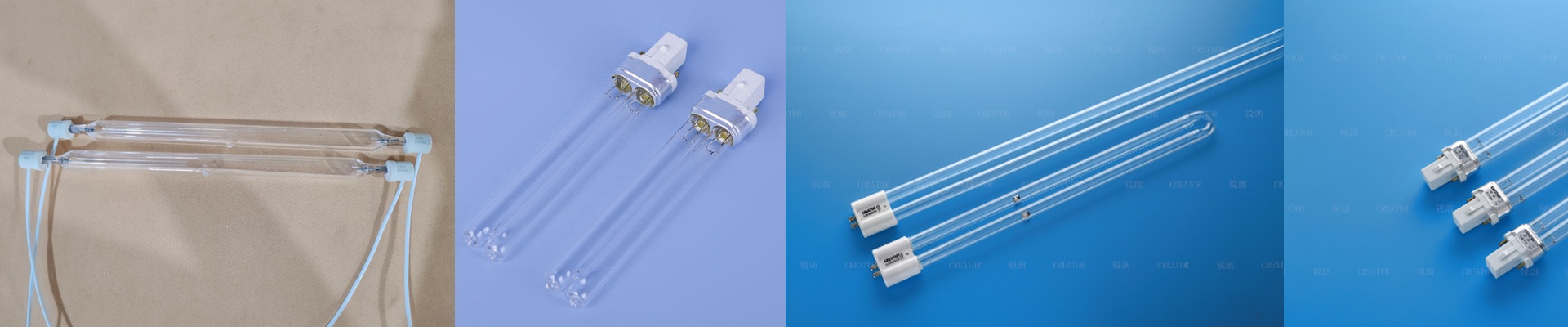
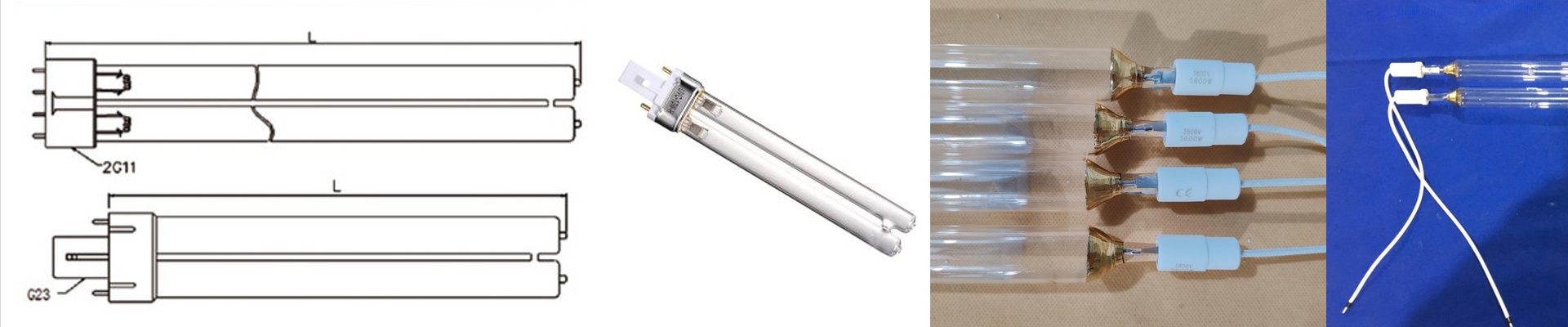
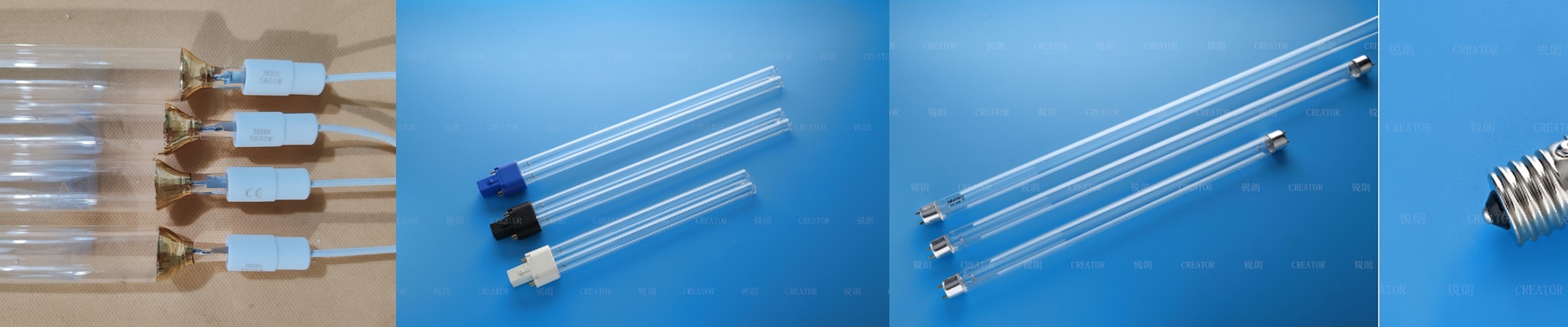
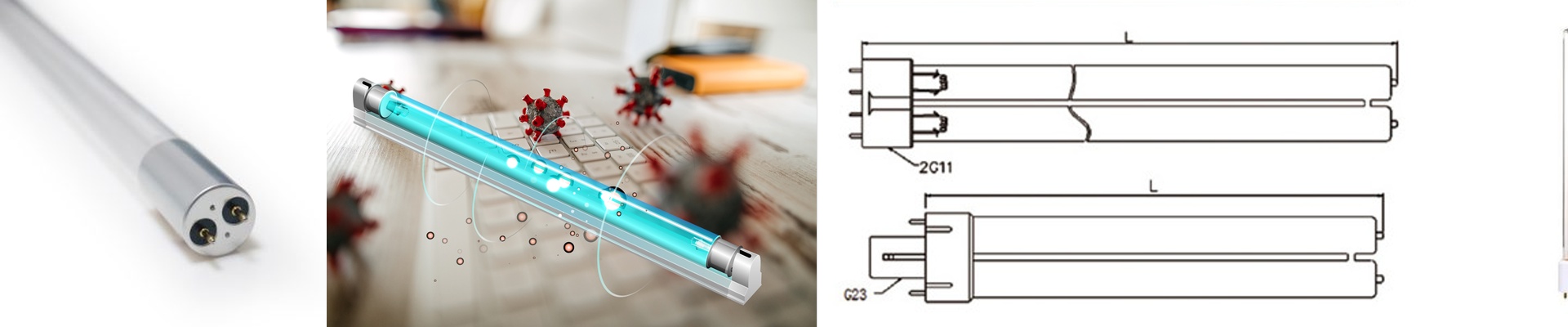
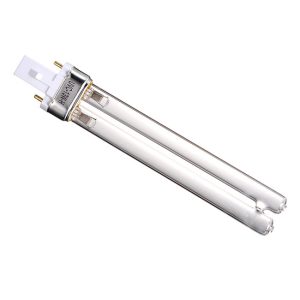
Let’s be honest: there is nothing worse than a UV lamp burning out right in the middle of a massive run. Usually, that means your whole line grinds to a halt. You’re stuck dealing with ballast overhauls or spending hours recalibrating everything just to get back to where you were. It’s a headache nobody needs. That’s exactly why we built our custom UV modules. We wanted something you could just drop in and forget about. No bottlenecks. No wasted afternoons. The nitty-gritty on the tech We skipped the “one-size-fits-all” approach because, frankly, it doesn’t work. Your ink chemistry and line speed are unique, so your lamp should be too. We tweak the wattage and wavelength to hit your specific curing window. By messing with the gas fill and electrode spacing, we can dial in the intensity exactly where you need it. If you’re running thick coatings, you’ll want those high-wattage modules for the heat density. Just a heads-up: make sure your cooling fans can keep up. If they can’t handle the heat, your bulbs are going to burn out way faster than they should. Built for the real world We designed these to slide right into the housings you already have. We also used reinforced connectors, because the last thing you want is a lamp arcing under high voltage. The best part? You aren’t ripping out the whole system. You just swap the core emitting component. We use high-purity quartz glass to let the UV light through while keeping the heat from baking your machine frame. What this actually looks like on the shop floor When you’re running a high-speed shop, a four-hour swap is a disaster. With these modules, your techs can wire them up and get the line humming again in a few minutes. We’ve put these units through the wringer in 24/7 production cycles, and they hold up. Now, there is a trade-off. Because these push out so much power, they don’t last quite as long as those weak, low-intensity bulbs. But when you see how much faster your throughput is and how tight the cure looks on the substrate, the trade-off is a no-brainer.