Getting Your PCB Curing Right with Gallium Iodide Lamps
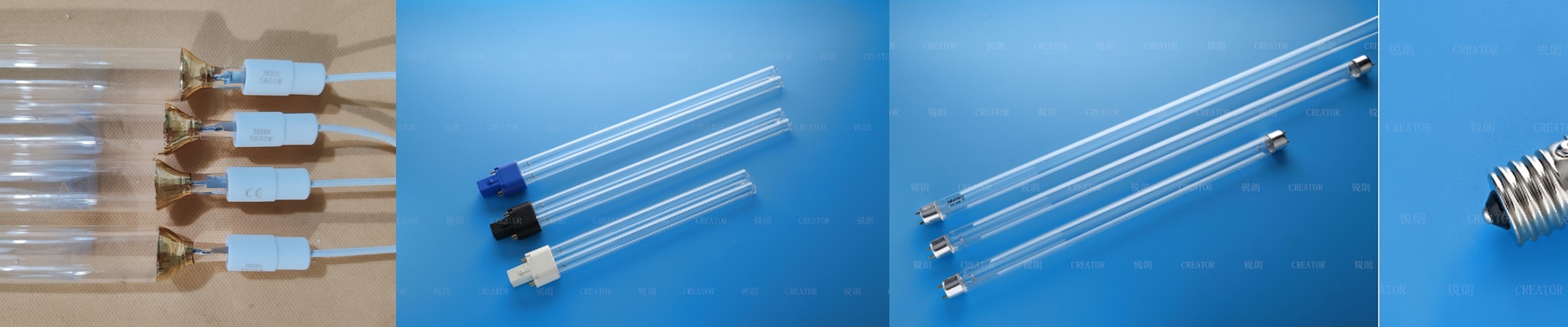
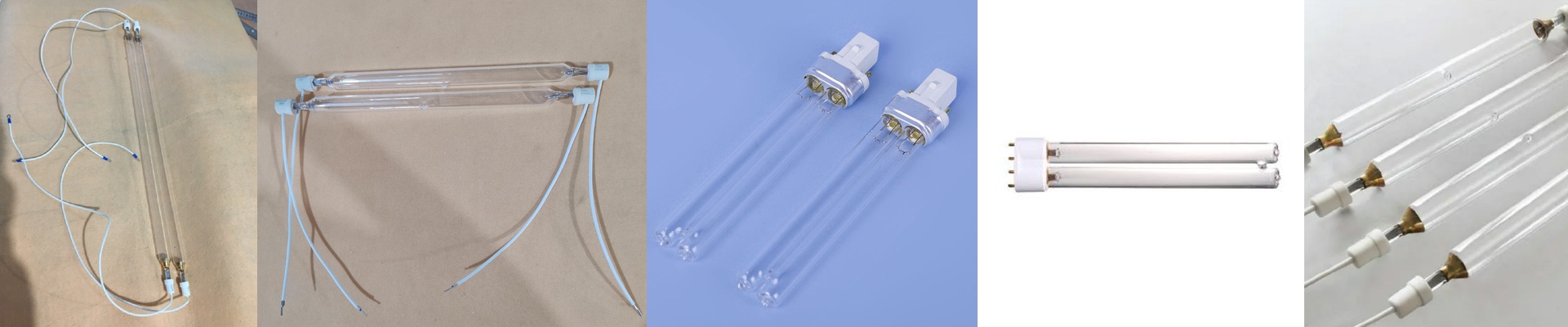
If you’re running a PCB line, you know the drill. You need your photoresists to harden fast, and you need them to be precise. That’s where Gallium Iodide (GaI) lamps come in. Think of these as the precision tools of the UV world. Instead of the broad, messy light you get from a standard mercury lamp, GaI focuses everything right where it matters—between 250nm and 350nm. That’s the sweet spot for polymerization. Why does that actually matter for you? It means you’re hitting the photoresist with exactly the kind of photons it wants. You get a full cure without accidentally baking the rest of your substrate. It’s fast. Really fast. And that speeds up your whole line. But a quick heads-up: if you crank up the wattage to chase more speed, keep an eye on your conveyor cooling. You don’t want your boards warping just as they’re getting finished. The hardware side of things We use high-purity quartz for the envelopes because we don’t want the lamp absorbing its own light. We also keep the end-caps standardized. Why? Because nobody wants to spend a weekend modifying a rig. You should be able to just pop these in and get back to work. We’ve also balanced the electrical load. If your setup involves a lot of rapid start-stops—which happens a lot in flexible shops—you won’t have to deal with that annoying flickering. And here’s the best part: we actually keep these in stock. No one likes waiting months for a specialty gas tube while a machine sits idle. Dealing with the “Flash” Demand The consumer electronics market is wild. One day it’s quiet, and the next, you’ve got a massive order that needs to ship yesterday. You can’t scale your production if you’re tethered to a rigid supply chain. That’s why we keep a buffer of GaI lamps ready to go. When a tube burns out, you swap it and keep moving. No custom build delays, no stressful phone calls. Just do yourself a favor and double-check your ballast compatibility before you wire them up. It’ll save your filaments from burning out way too early.