Getting Your PCB Curing Right with Gallium Iodide Lamps
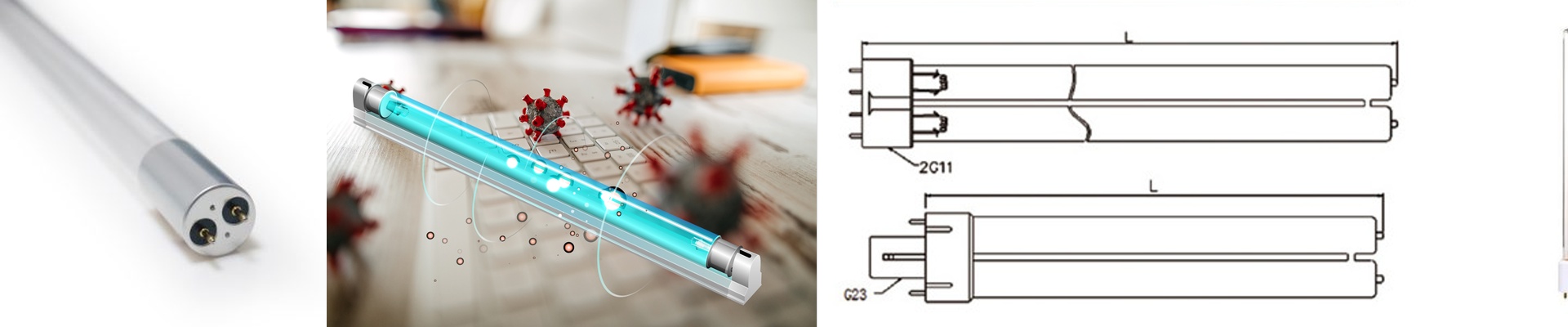
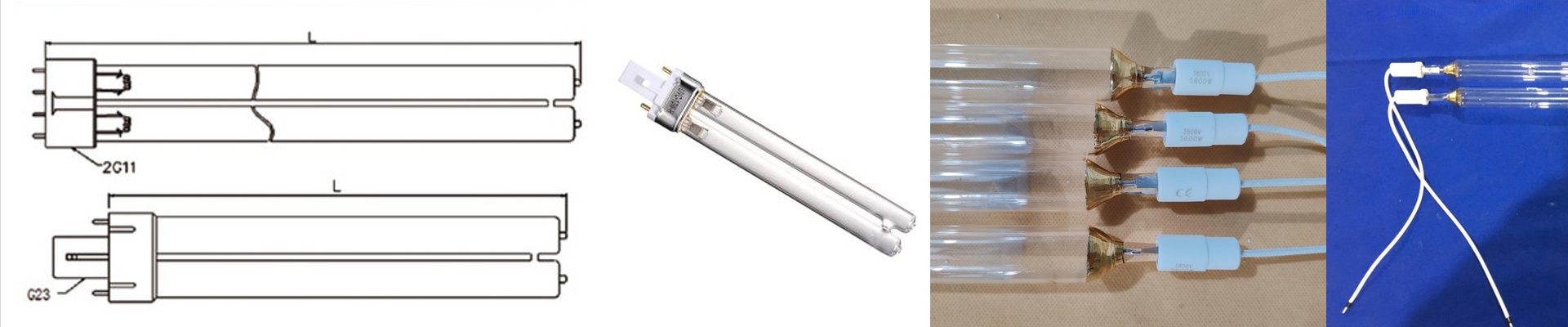
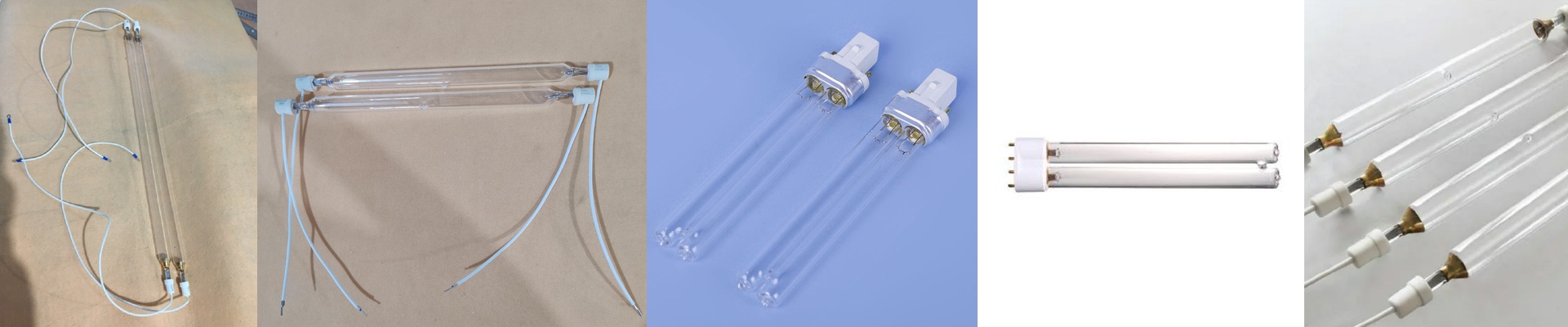
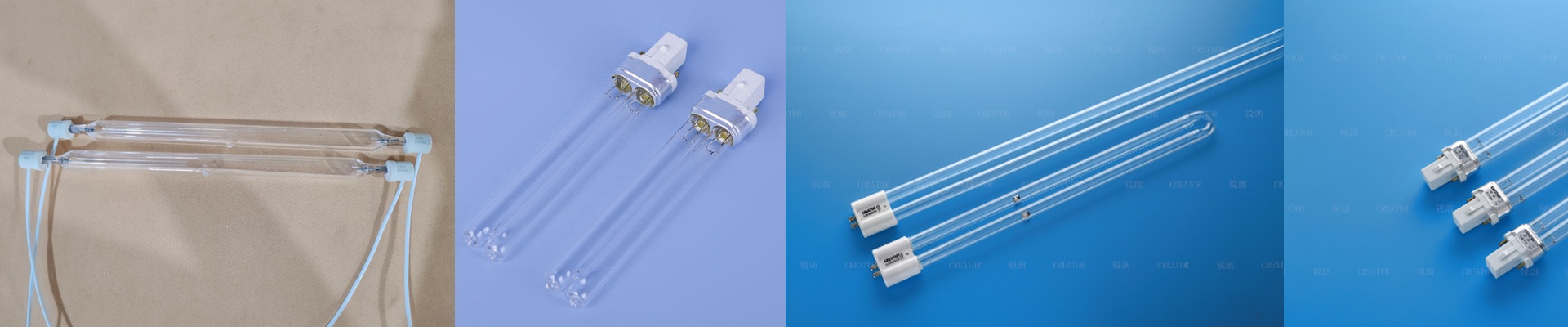
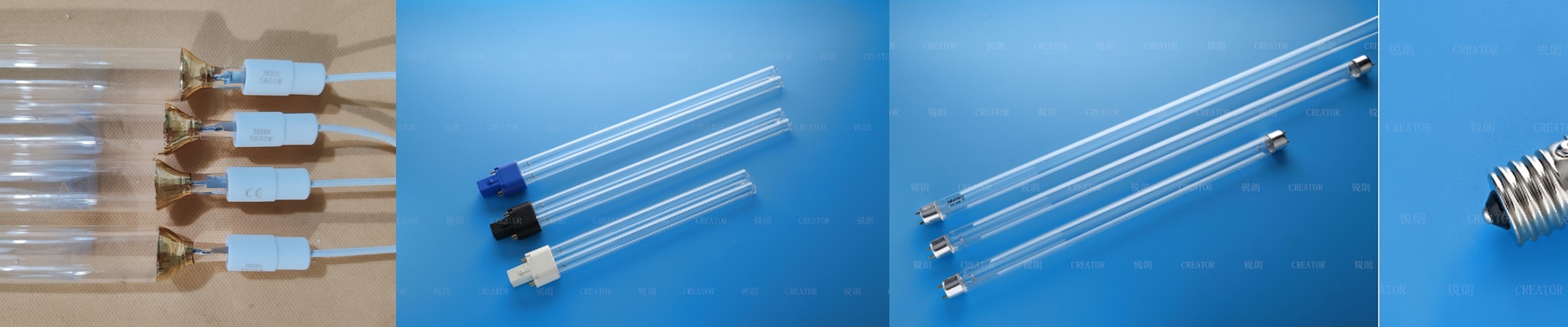
If you’re dealing with high-precision PCB curing or photoresist work, you know the struggle. Standard mercury lamps just don’t always cut it. That’s where Gallium Iodide (GaI) lamps come in. They hit those shorter wavelength bands, which is exactly what you need when you’re trying to get a thin-film resist to set perfectly. The secret is in the chemistry. We use a gallium iodide halide mix that shifts the light’s peak. Why does that matter? Because it actually matches how modern photoresists absorb light. It means your boards spend less time under the lamp. Plus, we make sure the light is steady from one end of the tube to the other. No one wants to find “dark spots” or weird, uncured edges on a board right before it ships. Let’s talk about the build. We use high-purity quartz glass. We do this so the tube wall doesn’t soak up the UV light before it even hits your board. The electrodes are built tough, too, because rapid cycling puts a lot of heat stress on the system. But here’s a heads-up: these things gethot. If you’re running a continuous line, the heat build-up is real. Double-check your cooling fans or water jackets. If they aren’t sized right, you’ll burn through the tube at the pinch seal way faster than you should. Putting them to work on the floor. The best part? These are usually drop-in replacements for the UV stations you already have. We can tweak the length and wattage to fit your specific conveyor, so you don’t have to tear apart your machine frame just to speed things up. A quick tip: make sure your power supply is stable. Flicker is the enemy here—it can leave those annoying striations in your resist layer. Just keep in mind that because these lamps are so intense, they don’t last quite as long as the low-output stuff.**Keep a few spares on the shelf.**It’s a lot better than having your entire line go dark while you wait for a shipment.