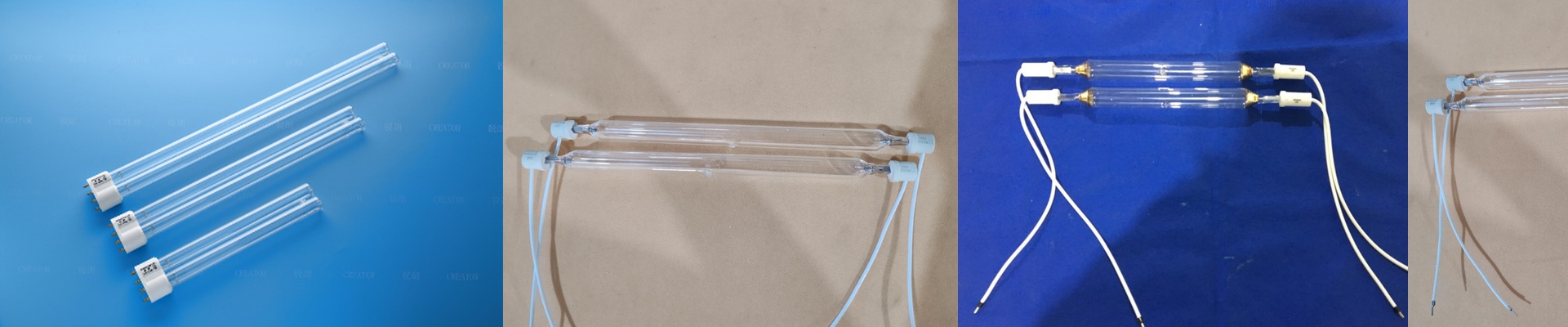

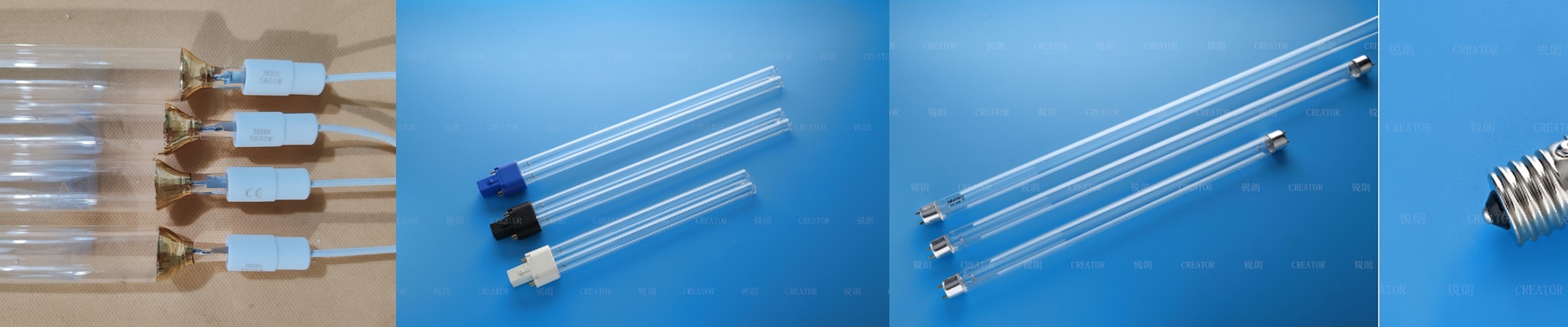
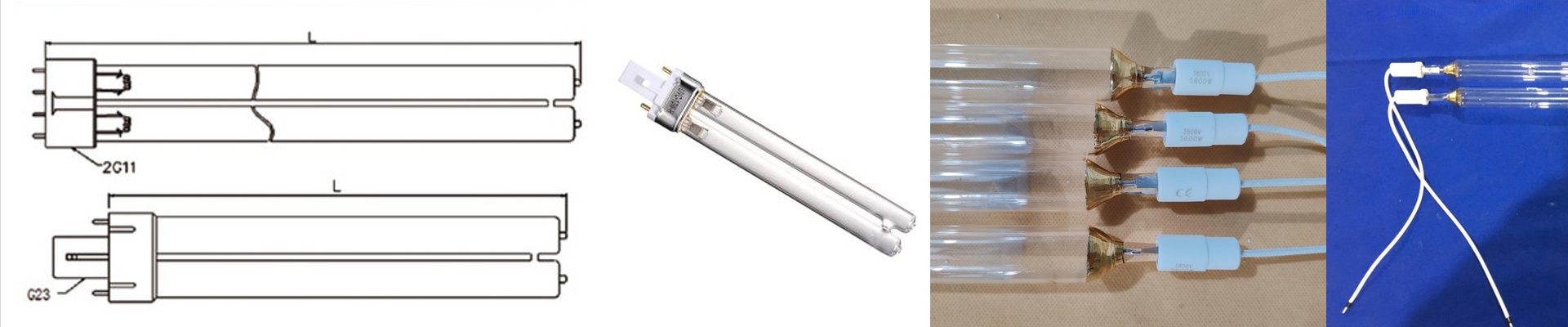
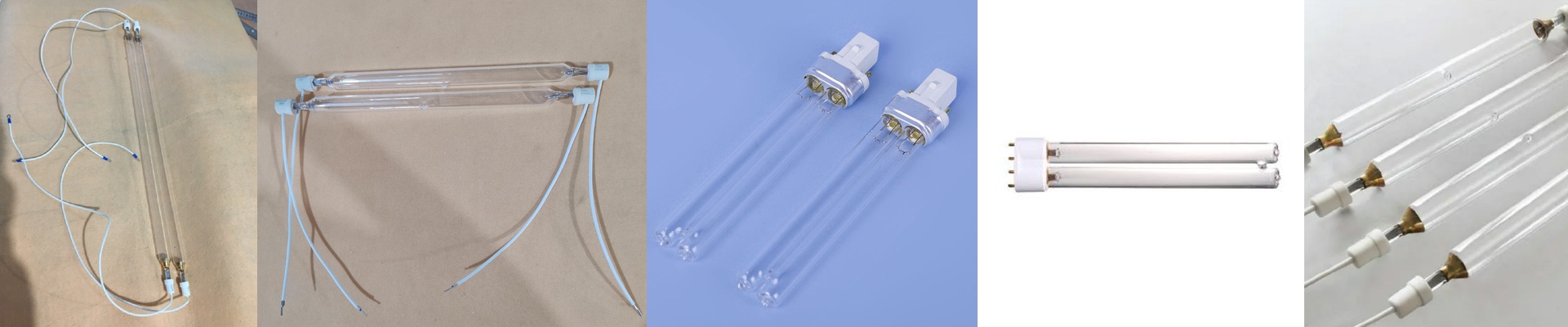
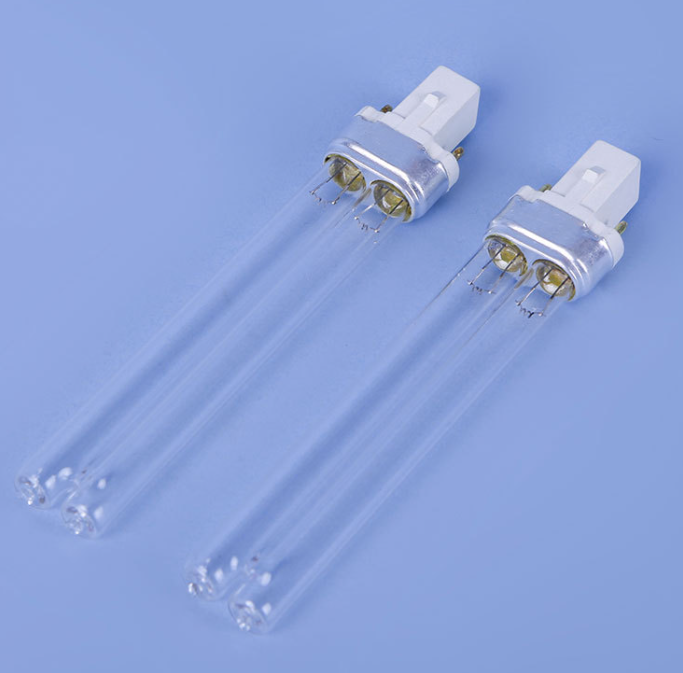
Public disinfection robots don’t have time for long cycles. When a UVC sterilization lamp has to hit microbial kill inside a tight route window, the sleeve around the lamp has to keep output steady and heat under control. If the sleeve drops transmission or traps heat, the lamp pulls back on power, the cycle stretches, and the robot misses its payload. What we spec on the sleeve We build the sleeve around two must-haves: clean transmission in the 254 nm band and stable reflectivity across the lamp envelope. We use ozone-free quartz with a dichroic coating that holds >90% transmission at 254 nm while knocking out IR that would otherwise cook the lamp casing beyond safe limits. That keeps peak irradiance stable at the target plane, not spiking for a minute and then collapsing. The whole point is consistent energy density, so the lamp can run at rated power without thermal throttling. Why it matters on the robot On a disinfection run, shaving seconds off a single pass adds up fast across the fleet. A sleeve that keeps the lamp cool and the beam profile repeatable lets the lamp hold maximum power, so the robot gets more cycles per battery charge. The coating also cuts stray UV, which helps contain exposure and lets the control system run higher duty cycles without overheating. Fewer thermal shutdowns, fewer re-scans, and fewer dips in lamp output. The practical details Fit is strictly dimensional. Check lamp diameter, arc length, and end-cap geometry before you order—miss by even 1 mm and you change the air gap, the temperature, and the output stability. Always handle with gloves. Oils and particulates on the sleeve scatter UV and can create hot spots. Inspect the sleeve every time you change the lamp; cracks or coating damage will skew spectral output and shorten lamp life.