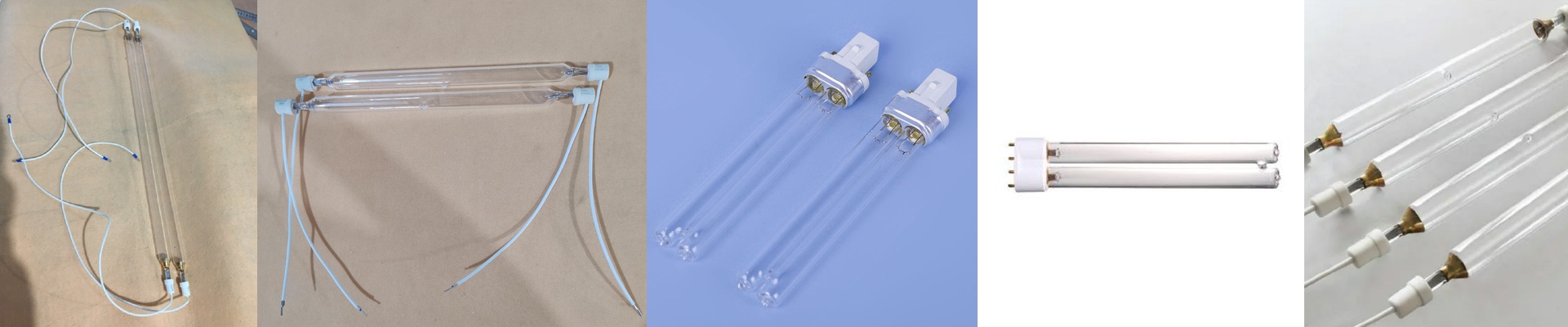
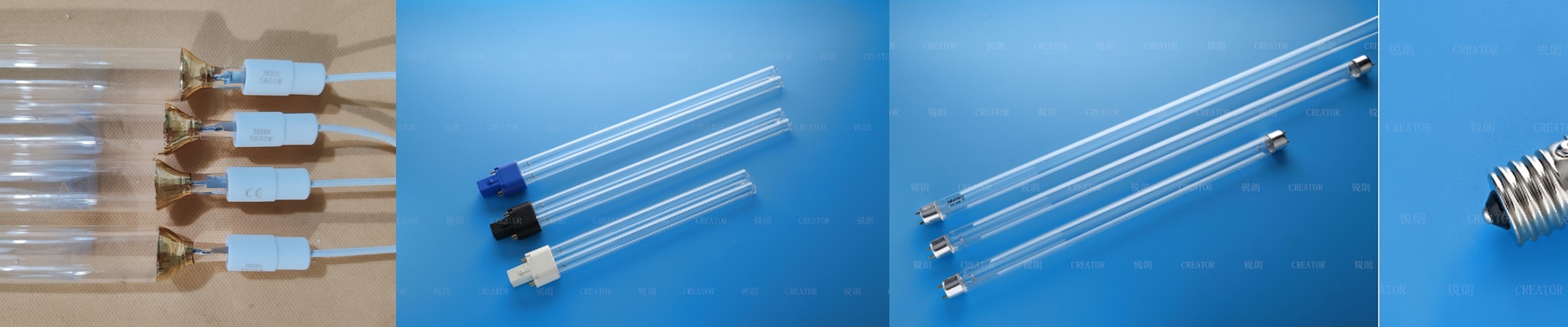
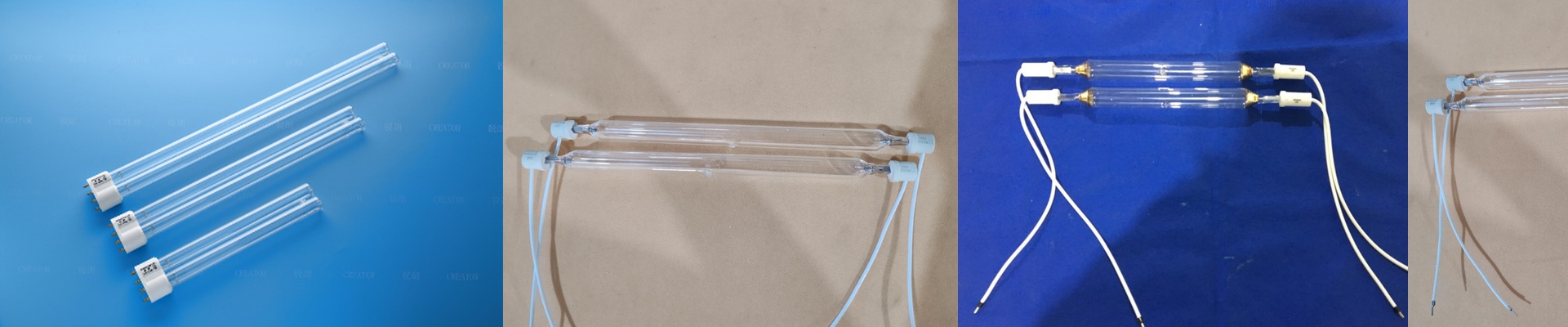

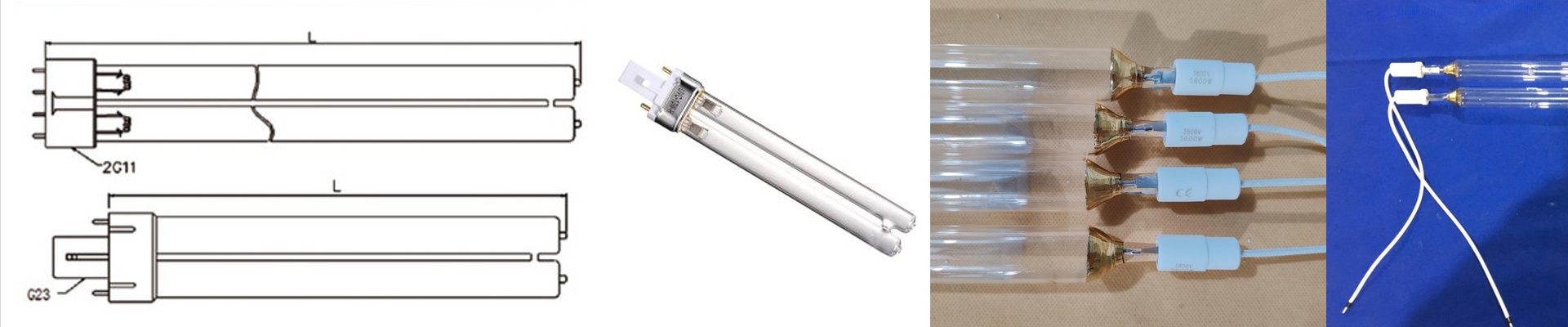
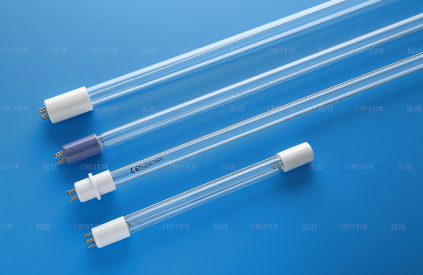
On the floor, that low-pressure UVC germicidal lamp isn’t something you set once and walk away from. It’s a moving target, and its output directly decides whether disinfection actually works. Those lamps degrade quietly, and if you don’t have a solid monitoring routine, you’re betting on output that isn’t there. That’s how you end up with non-compliance and process failure. What actually matters, technically Low-pressure UVC lamps are built to put out a monochromatic 254 nm wavelength — the sweet spot microbial DNA soaks up. That’s what drives the photochemical breakdown of pathogens. Compared with medium-pressure systems, the low-pressure design leans into high photon efficiency over a narrow band, which keeps operating temperatures and energy use lower. You measure performance the same way you measure UV curing intensity on press: by irradiance, in mW/cm², at a defined distance. No opinions, just numbers. That irradiance reading is the one metric that tells you whether the lamp is still doing its job. Why this works in practice Keep it simple: work UV energy test strips into your preventive maintenance schedule. They give you a direct, visual check on whether the lamp is delivering the required dose. If the lamp can’t hit its baseline irradiance, you won’t get the log reduction you need — no matter how long you run the cycle. Test regularly, and you replace the lamp right at the end of its service life, not a guesswork date. That keeps downtime and costs under control, and it keeps every cycle delivering validated disinfection. What you need to watch for These lamps are ozone-free, which matters for safety, but their output is temperature-sensitive. Stay inside the manufacturer’s thermal envelope. Also, make sure the lamp is physically and electrically compatible with the fixture you’re running. The lamp itself is tough, but the quartz sleeve can crack if you rush the install. And proper alignment inside the reflector assembly isn’t optional — it’s how you hit the target irradiance profile.